Add Row
Add Element
Our Hope
Add Element
  • Home
  • Categories
    • The Human Cost: Stories of Impact & Resilience
    • Building Peace: Diplomacy and Dialogue & Shared Solutions
    • The Path to Compassion: Understanding & Transformation
    • Inspiring Action: Cultivating Hope & Collective Love
October 08.2025
3 Minutes Read

As Nobel Peace Prize Nears, Who Deserves It in 2024? Insights Inside!

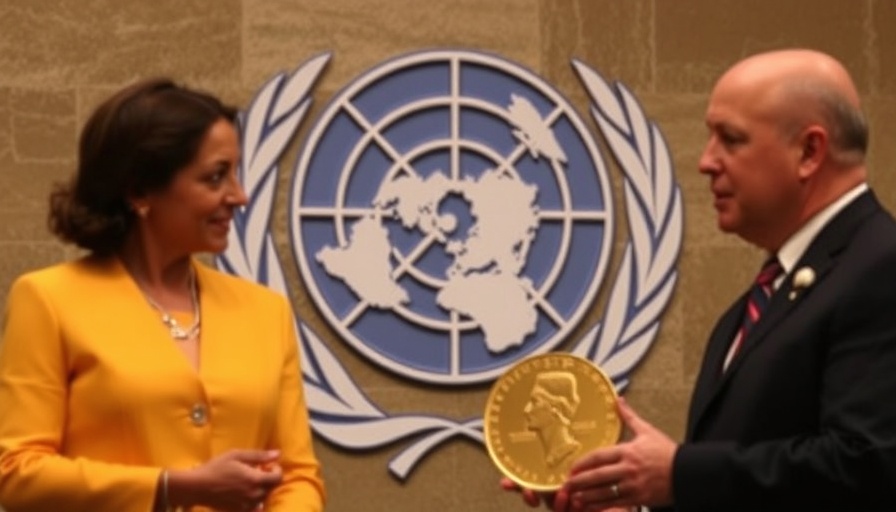
If Not Trump, Then Who? UN, Human Rights Groups In Spotlight For Peace Prize

Who's in the Running for the Nobel Peace Prize?

This year's Nobel Peace Prize is generating buzz as it approaches its announcement on October 11 in Oslo. The anticipation stems from the current global conflicts—particularly those in Ukraine and Gaza—which set a somber backdrop for the selection of this prestigious award. Notably absent from the likely candidates this year is Donald Trump, who has openly claimed he should be awarded the prize for his supposed mediation in various international conflicts. Experts, however, believe that Trump's actions often contradict the principles for which the Nobel Peace Prize stands.

Contextualizing Global Conflicts

In 2024, the world faces an unprecedented number of armed conflicts, surpassing historical records. As noted by Sweden’s Uppsala University, this alarming situation calls for recognition of those actively working for peace. The Norwegian Nobel Committee's decision will come amid criticism of Trump’s 'America First' policies, and many argue that his time in office has made peace efforts more challenging rather than contributing positively to global stability.

Expert Predictions on Possible Candidates

According to peace scholars and betting odds, the potential candidates for this year's Nobel Peace Prize include notable figures and organizations. Among them, the UN Relief and Works Agency for Palestine Refugees (UNRWA), which provides essential humanitarian assistance to millions affected by conflict, emerges as a strong contender, despite the controversies surrounding it. Experts like Henrik Urdal emphasize the importance of recognizing humanitarian initiatives during times of war, especially since UNRWA has been pivotal in alleviating civil suffering.

The Case for UN Secretary-General Antonio Guterres

Another frontrunner is Antonio Guterres, the UN Secretary-General, who symbolizes international cooperation during a period of increasing skepticism towards multilateralism. His leadership during various crises, including those in Gaza and Ukraine, positions him as a candidate who aligns closely with the ideals of promoting fraternity among nations. Guterres's commitment to addressing humanitarian issues and advocating for international law could symbolize a reaffirmation of the Nobel Committee's long-standing values.

Other Noteworthy Contenders

Alongside these prominent figures, nominees such as Yulia Navalnaya, the widow of Russian opposition leader Alexei Navalny, and organizations committed to democracy and human rights are in the spotlight. The recent awarding to activists, like the human rights advocate Narges Mohammadi, indicates that the committee may lean towards rewarding those who highlight issues of freedom and justice at a grassroots level.

Implications of the Nobel Peace Prize Decision

Whatever direction the Nobel Committee chooses, it will undoubtedly send a powerful message about the current state of global peace. The controversy surrounding potential choices illustrates that the committee is not reluctant to address contentious issues, as evidenced by previous award winners. For instance, awarding the prize to humanitarian organizations amid allegations can provoke significant debate about the role of international actors in peacekeeping. Ultimately, this year’s recipient—or the decision to withhold the prize—could reshape perceptions of what constitutes peace in today’s tumultuous world.

The Bigger Picture: Reflections on Peace

The Nobel Peace Prize represents a pivotal moment for both recognition and criticism of global diplomacy in the current climate. The committee’s choice not only honors past sacrifices but also underscores the urgent need for renewed commitment to international cooperation. The fallout of conflicts highlights a dire need for robust dialogue and mutual respect among nations to foster a lasting peace.

This year’s decision emphasizes the importance of humanity's collective perseverance in the face of adversity, and as we await the announcement, it's crucial to consider how the prize can inspire hope and action towards a more peaceful future.

Building Peace: Diplomacy and Dialogue & Shared Solutions

8 Views

0 Comments

Write A Comment

*
*
Related Posts All Posts
12.06.2025

Lebanese Army Arrests Six: Impact of UN Peacekeepers' Attack on Regional Stability

Update Lebanese Army Takes Action Following Attack on UN Peacekeepers In a significant development in southern Lebanon, the Lebanese army has detained six individuals linked to a brazen attack on United Nations peacekeepers. The incident occurred on Thursday when assailants, riding on mopeds, opened fire on a UN patrol vehicle. Thankfully, no injuries were reported. This attack comes at a critical time as a United Nations Security Council (UNSC) delegation prepares for a visit to the region to assess escalating tensions near the Israel-Lebanon border. Context of the Current Conflict This confrontation highlights the growing tensions in the region where the UN Interim Force in Lebanon (UNIFIL) has been stationed for almost five decades, acting as a buffer between Israel and Lebanon. The backdrop for this violence is the complex ceasefire arrangement reached last November, which was meant to de-escalate hostilities between Hezbollah and Israeli forces. However, the situation remains unstable as Israeli troops continue to occupy parts of southern Lebanon and conduct frequent airstrikes, resulting in significant civilian casualties and destruction. The Implications of the UNSC Delegation Visit Lebanese President Joseph Aoun's meeting with the UNSC delegates lays the groundwork for a more transparent dialogue about the on-the-ground realities faced by locals amid ongoing violence. Aoun expressed hope that this visit would shed light on the actual situation facing southern Lebanese citizens, particularly in light of the increasing frequency of Israeli military operations. The delegation is anticipated to discuss the implementation of resolution 1701, which aims to enhance stability and peace in the area. Hezbollah's Response to Ongoing Negotiations As these discussions unfold, Hezbollah has expressed its disapproval of any negotiation efforts between Lebanon and Israel. The Iranian-backed group perceives these actions as concessions that could undermine its position and contribute to the volatility in the region. As Israel increases its military presence, Hezbollah's defiance persists, posing questions about the perceived effectiveness of diplomatic initiatives. Community Reactions: The Need for Peace The response to the UNSC visit and the Lebanese army's arrests has been mixed among local populations. While some see the actions as necessary steps toward restoring order, others fear that continued foreign intervention and military responses may further complicate the situation. Many citizens express a deep yearning for lasting peace, one that transcends cycles of violence and incorporates genuine dialogue between warring factions. Conclusion: Courageous Steps Towards Peacebuilding As we look towards future developments, it is vital for both local leaders and international actors to prioritize open lines of communication and cooperative strategies. The incidents of aggression must be met with both law enforcement and diplomatic efforts to ensure that citizens in southern Lebanon can live without the threat of violence. Moving forward, it's essential to observe how these recent events will shape the future of Lebanon's path toward peace. The efforts of the Lebanese army to address violence are commendable, yet the intricate dynamics of peacebuilding require collective engagement from all parties involved.

12.05.2025

Japan and China Spar Over Taiwan: Analyzing Takaichi's Impact

Update Japan at the Crossroads: Navigating Tensions with ChinaJapan finds itself at a pivotal moment in its diplomatic relations, marked by escalating tensions with China following remarks by new Prime Minister Sanae Takaichi. Her statements in the Japanese Diet, suggesting that any use of force by China against Taiwan would represent a "survival-threatening situation" for Japan, have ignited a fierce backlash from Beijing. This exchange not only engages Japan's self-defense policies but also raises complex questions about regional security and historical narratives.The Fallout from Takaichi's CommentsTakaichi's remarks have provoked a diplomatic firestorm, prompting Japan’s ambassador to the United Nations to formally respond to China's accusations of violating international norms. This marks a significant shift in Japan's public stance on Taiwan, where traditionally, officials have refrained from explicitly discussing military interventions involving Taiwan, thus heightening the stakes. Experts like Jeffrey Hall argue that while these sentiments may have long been held in private, their public acknowledgment changes Japan's diplomatic calculus globally.China's Reaction: A Multifaceted ApproachChina's response has been swift and multi-dimensional, ranging from diplomatic protests to economic reprisals. Beijing's strategy includes not only condemning Takaichi’s statements at the UN but also emphasizing historical grievances associated with World War II. This approach aligns with a broader strategy referred to as "lawfare" and "narrative warfare," outlining China's intent to reshape international perceptions of its claims over Taiwan. Such tactics are designed to maintain a favorable domestic image while stifling Japan’s political ambitions on the world stage.The Implications for U.S.-Japan RelationsAs Japan navigates this delicate diplomatic landscape, the role of the United States remains crucial. Takaichi's statements, coupled with China's aggressive pushback, necessitate a careful U.S. strategy to avoid a slip into open conflict. The nature of Washington's response could deter or embolden further actions by Tokyo and Beijing. The intertwining of U.S. interests in Asia with Japan’s strategic decisions underscores the significant implications for regional stability.Future Considerations and Geopolitical DynamicsThe ongoing dialogue surrounding Japan and Taiwan presents an opportunity for deeper discussions about regional collaboration and security frameworks. Japan, traditionally seen as a pacifist nation, may need to reassess its military posture and alliances in response to China's assertiveness. Meanwhile, it must also strive for solutions that avoid exacerbating tensions further. Ultimately, how Japan articulates its defense commitments in light of Takaichi’s remarks will critically shape the future of its relationship with both Taiwan and the broader international community.Final Thoughts: Embracing Dialogue for Peaceful ResolutionsIn these times of heightened tension, fostering dialogue over aggression will be essential. As both Japan and China navigate their historical narratives and contemporary concerns, an emphasis on diplomacy and mutual respect can lead to constructive outcomes. Recognizing the complex entanglements that define these relationships highlights the need for empathy and understanding, which allows for a more peaceful and cooperative future.

12.04.2025

Drug Resistance Threatens Malaria Eradication: A Call to Action for Global Health

Update Drug Resistance and Its Dire ConsequencesRecent findings from the World Health Organization (WHO) illuminate a grim reality in the fight against malaria: the alarming rise of drug resistance. Despite significant achievements over the past two decades, including the saving of 14 million lives since 2000 and the certification of 47 countries as malaria-free, the battle against this preventable yet deadly disease is far from over. The report reveals that in 2024 alone, there were a staggering 280 million malaria cases and over 600,000 deaths, with 95% of these occurring in the African region. This concurrent rise in both cases and mortality highlights a critical juncture for global health efforts.The issue of drug resistance is particularly acute, with eight countries now reporting confirmed or suspected resistance to antimalarial medications, including the widely recommended artemisinin. This resistance mirrors historical challenges faced in the 1980s and 1990s when chloroquine resistance led to devastating humanitarian consequences. Experts warn that without immediate action, we risk repeating history, where the very tools we count on to combat malaria could become ineffective.Funding Shortfalls Compound the CrisisAlongside the growing drug resistance issue is a troubling trend of underfunding in malaria control efforts. In 2024, investments amounted to $3.9 billion — less than half of the WHO's target. This decline in Overseas Development Aid (ODA) poses a risk of severe, uncontrolled resurgences of malaria that could undo decades of hard-fought progress. As highlighted by WHO director Tedros Adhanom Ghebreyesus, “Increasing numbers of cases and deaths, the growing threat of drug resistance, and the impact of funding cuts all threaten to roll back the progress we have made.”Innovative Solutions on the HorizonIn response to these formidable challenges, initiatives are emerging that aim not only to protect current treatment effectiveness but also to innovate for the future. For instance, the STOP-AMDR project, spearheaded by Unitaid and Jhpiego, seeks to introduce multiple artemisinin-based combination therapies (ACTs) in six African nations. By utilizing a combination of different treatments, the project aims to safeguard the existing therapeutic arsenal against resistance and preserve the lives of millions.Dr. Philippe Duneton of Unitaid emphasizes the urgency of collectively addressing the risks posed by drug resistance. His assertion that combating malaria is akin to fighting for nations' futures underscores the sustained investment required to halt the disease's resurgence.Community Involvement is KeyUltimately, the fight against malaria will succeed not only through medical interventions but also through the engagement of local communities and partnerships across sectors. Dr. Fitchet aptly notes, “The complexity of the challenge we face means that no single tool or actor can succeed alone.” As we stand at a crossroads, building synergies between public health initiatives, government entities, academia, and civil society will be critical in creating robust frameworks for long-term malaria control.A Call to ActionThe red lights are indeed flashing, but with concerted effort and collaboration, this global health crisis can be averted. It is crucial for the international community and individual nations to bolster financial commitments to malaria control. Investing in innovative therapies and infrastructure, along with a dedicated approach to surveillance, will pave the way for a malaria-free future. The time to act is now; inaction could spell disaster for thousands of families relying on effective treatments to safeguard their loved ones from this deadly disease.

Terms of Service

Privacy Policy

Core Modal Title

Sorry, no results found

You Might Find These Articles Interesting

T
Please Check Your Email
We Will Be Following Up Shortly
*
*
*